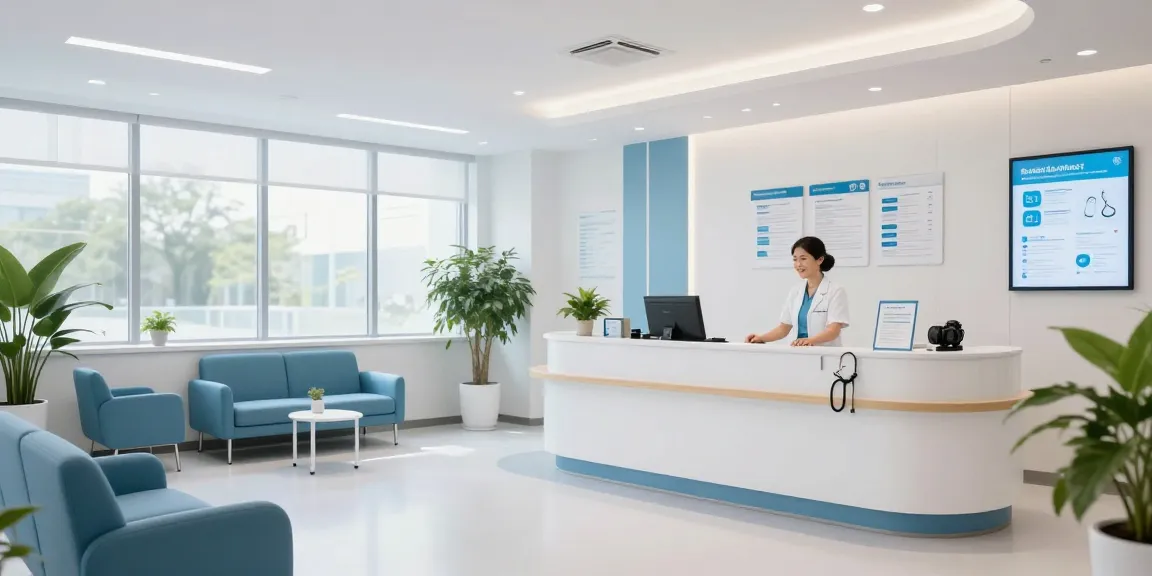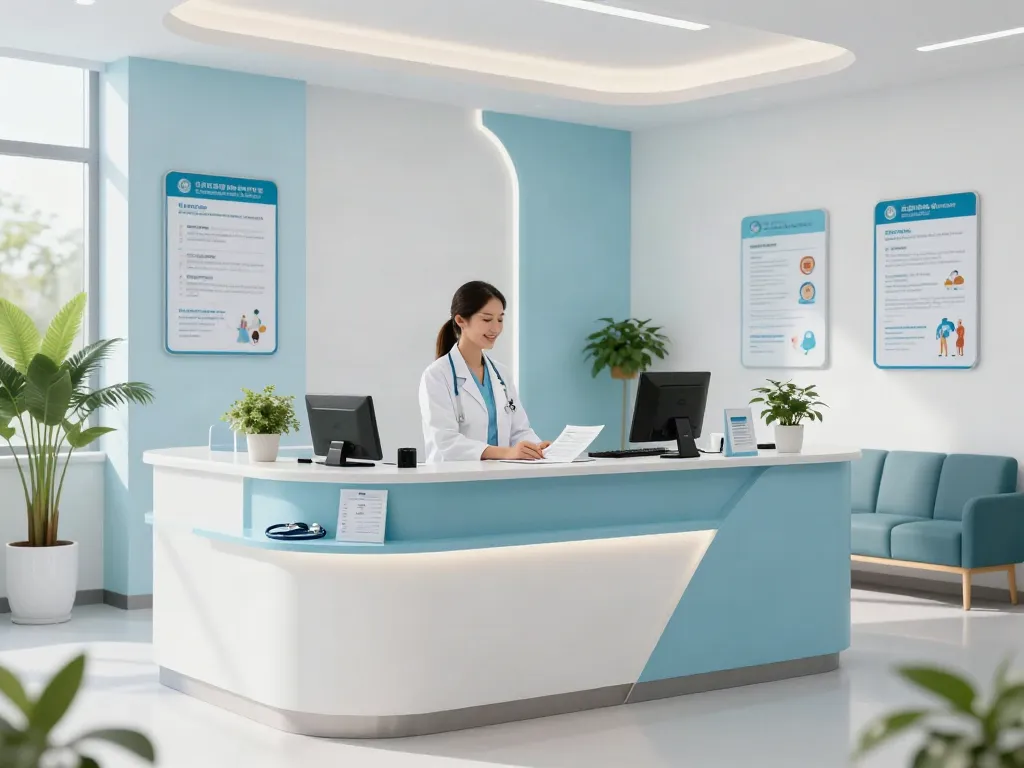
In the fast-evolving landscape of healthcare, understanding the latest trends and innovations is essential for effective patient care. As we progress into 2026, a clear shift towards patient-centered approaches reveals significant advancements in medical services, technology, and mental health resources. These changes reflect a comprehensive understanding of the importance of treating the individual behind the illness and ensuring that patients are engaged in their care process. This article delves into the multifaceted aspects of modern healthcare services, focusing on innovative strategies for effective management and improved outcomes.
The Evolution of Healthcare Services in 2026
Major Trends Shaping Patient Care
As healthcare systems worldwide adapt to changes in patient demographics and expectations, several key trends have emerged. These trends include a rise in telemedicine, enhanced patient engagement through digital platforms, and the integration of AI in diagnostics. The shift towards value-based care emphasizes quality over quantity in healthcare services, focusing on patient outcomes rather than the volume of services provided.
The Role of Technology in Healthcare Delivery
Embracing technology has become paramount in healthcare delivery. Innovations such as electronic health records (EHR), mobile health applications, and artificial intelligence (AI) are streamlining processes and improving patient outcomes. For instance, the implementation of telehealth services allows patients to receive care from the comfort of their homes, reducing travel time and associated health risks, which is crucial for those with chronic conditions. When exploring options, link gacor provides comprehensive insights into the educational resources available in aviation that can further enhance career development within the healthcare sector.
Innovations in Preventive Medicine
Preventive medicine is gaining ground as a crucial component of healthcare. Advances in genetic testing and risk assessment tools enable healthcare providers to identify potential health issues before they arise, allowing for preemptive treatments and lifestyle modifications. Furthermore, community health initiatives that promote vaccinations and screenings continue to play a vital role in reducing incidence rates of preventable diseases, showcasing the power of proactive healthcare.
Patient-Centered Care and Health Outcomes
Personalized Treatment Plans and Their Impact
Personalized medicine tailors treatment protocols to the individual genetic makeup of patients, enhancing efficacy. This approach is especially noticeable in oncology, where targeted therapies have revolutionized treatment protocols for various cancers, improving survival rates and quality of life. Treatment plans now often include comprehensive assessments that account for a patient's lifestyle, preferences, and specific health goals.
Importance of Patient Engagement and Empowerment
Engaging patients in their care is essential for improving outcomes. Empowered patients are more likely to adhere to treatment regimens and actively participate in their health decisions. Healthcare professionals can facilitate this empowerment through education, ensuring patients understand their conditions and treatment options. Robust support systems, including patient advocates and community health workers, further enhance this engagement.
Enhancing Health Literacy Among Patients
Health literacy is critical for effective communication between healthcare providers and patients. Improving health literacy involves not only providing clear information but also addressing cultural and linguistic barriers that may prevent understanding. Healthcare facilities now prioritize health education programs that equip patients with the knowledge to make informed decisions about their health, fostering a proactive approach to care.
Comprehensive Mental Health Resources
Addressing Common Mental Health Concerns
Mental health has become increasingly recognized as a critical aspect of overall health. With rising awareness of conditions such as anxiety and depression, healthcare providers are prioritizing mental health resources and interventions. Collaborative care models, which integrate mental health services into primary care, are proving effective in providing holistic treatment.
Innovations in Teletherapy and Remote Support
The rise of teletherapy has made mental health services more accessible than ever. Patients can now receive therapy and counseling from licensed professionals via videoconferencing, removing geographical and logistical barriers. This innovation ensures continuity of care, particularly for individuals in rural or underserved areas, contributing to overall improved mental health outcomes.
Building Community Support for Mental Health
Community support is vital for those struggling with mental health issues. Programs aimed at reducing the stigma around mental health challenges encourage open discussions and foster supportive environments. Peer support groups and community-based initiatives play a crucial role in building resilience and creating a network of understanding for those in need.
Navigating Health Insurance and Financial Transparency
Understanding Healthcare Costs and Coverage
Navigating the healthcare system can be overwhelming, particularly when it comes to understanding insurance coverage and associated costs. Patients need clear, transparent information about their insurance benefits, out-of-pocket expenses, and treatment costs. This transparency allows individuals to make informed choices about their healthcare options and prevents unexpected financial burdens.
The Importance of Transparency in Billing Practices
Healthcare facilities are increasingly adopting transparent billing practices, providing patients with detailed breakdowns of services and costs upfront. This shift not only builds trust but also empowers patients to manage their healthcare expenses effectively. Moreover, advancements in billing technology facilitate more accessible payment plans and options for patients.
Strategies for Effective Health Insurance Navigation
Understanding health insurance can be complex, making it essential for patients to utilize available resources. Many healthcare providers offer navigators or counselors to assist in interpreting insurance policies and identifying available benefits. Online resources and workshops can also improve comprehension, enabling patients to optimize their coverage.
Future of Chronic Disease Management in 2026
Integrative Approaches to Chronic Conditions
The management of chronic diseases is an area ripe for innovation. Integrative approaches, which include both medical and alternative therapies, have become more prevalent in treating conditions such as diabetes and heart disease. These approaches focus on the whole person and encourage lifestyle changes alongside conventional treatments, leading to better overall management of chronic conditions.
Digital Tools for Managing Long-Term Health
Digital health tools, including mobile apps and wearable devices, are transforming chronic disease management. These tools provide real-time data to patients and healthcare providers, facilitating timely interventions. Patients can track symptoms, monitor vital signs, and receive reminders for medication, enhancing adherence to treatment plans.
Lifestyle Modifications for Improved Outcomes
Education about lifestyle modifications is critical in managing chronic conditions. Healthcare professionals play an essential role in guiding patients on diet, exercise, and stress management strategies. Programs that encourage physical activity and healthy eating are vital in helping patients maintain their health and prevent disease progression.
FAQs
What are the latest trends in patient-centered care?
The latest trends prioritize personalizing patient treatment plans, engaging patients in their own care, and leveraging technology to improve health outcomes.
How is technology shaping mental health resources?
Technology is increasing access to mental health services through teletherapy, mobile health applications, and AI-driven support systems.
What should I know about healthcare insurance navigation?
Understanding your insurance benefits, utilizing navigational support, and being aware of financial responsibilities are essential for effectively managing healthcare costs.